Learn how Aluminum Foundry fulfills the growing needs of aluminum casting industries
Wiki Article
Recognizing the Various Sorts Of Processes in An Aluminum Foundry for Efficient Manufacturing
In An Aluminum Foundry, different casting procedures play a critical duty in production efficiency. Each method, from sand casting to pass away casting, provides unique advantages that satisfy particular making needs. Understanding these procedures is important for maximizing high quality and expense. The choice of casting strategy can substantially impact total outcome. As factories discover these alternatives, they should think about which techniques line up finest with their production goals. What elements will eventually assist their choices?Introduction of Aluminum Foundry Processes
Aluminum Foundry processes incorporate a series of specialized techniques intended at changing raw Aluminum into usable elements. These procedures generally start with thawing the Aluminum, where key or scrap Aluminum is heated up till it gets to a liquified state. As soon as melted, the Aluminum might go through alloying, where specific components are added to improve its buildings, such as toughness or deterioration resistance.Following melting and alloying, the Aluminum is poured into mold and mildews to create preferred shapes. Air conditioning and solidification happen, throughout which the product handles the type of the mold. After solidification, spreadings are eliminated and might need more processing, consisting of cutting, machining, or surface therapy to attain the last requirements. Quality assurance is integral throughout the procedure, guaranteeing that the created elements meet market standards. In general, Aluminum Foundry procedures are vital for producing a large range of sturdy and light-weight items made use of in different applications.
Sand Casting Methods
A considerable portion of Aluminum castings are generated utilizing sand casting techniques, which is a functional method preferred for its capacity to produce intricate forms. In this process, a mold and mildew is made from sand mixed with a binding agent, guaranteeing it can hold up against the molten Aluminum's temperature. The pattern, usually made from metal or plastic, is placed in the sand to form the cavity for the spreading. After getting rid of the pattern, the mold is loaded with molten Aluminum, which strengthens into the preferred shape upon air conditioning.Sand casting is specifically beneficial for low to medium manufacturing quantities due to its cost-effectiveness and adaptability. Furthermore, it permits for very easy alterations of mold designs, fitting various component geometries. Though it may not attain the dimensional accuracy of other casting approaches, the surface area finish can be improved with subsequent machining. On the whole, sand casting continues to be a foundation of Aluminum Foundry processes, making certain diverse applications throughout sectors.
Pass Away Casting Techniques
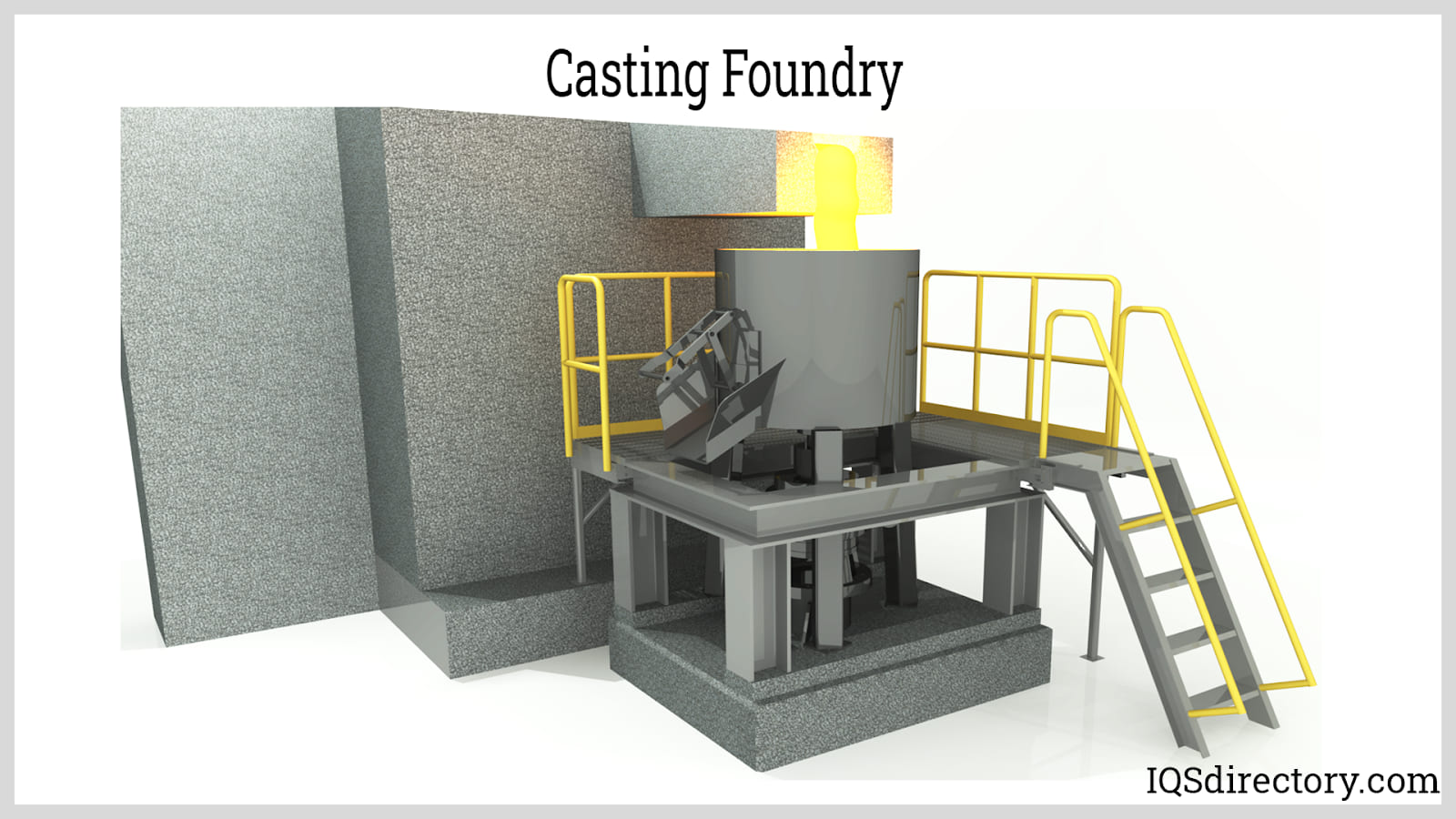
In the domain of die spreading methods, two main procedures attract attention: the hot chamber and cool chamber strategies. Each method presents one-of-a-kind benefits and obstacles, especially pertaining to effectiveness and product compatibility. In addition, the choice of die materials plays a vital duty in figuring out the general success and durability of the casting process.Warm Chamber Process
Cold Chamber Process
Cold chamber die spreading represents an alternative technique for creating Aluminum elements, particularly when dealing with steels that have greater melting factors or when the molten metal is as well reactive for hot chamber processes. In this technique, liquified Aluminum is put right into the die from an outside ladle, which minimizes the risk of contamination and enables for greater versatility in alloy selection. The procedure involves injecting the molten steel into a cold die utilizing a hydraulic piston, making certain specific control over the injection speed and stress. This method is beneficial for creating complex geometries and accomplishing high dimensional precision. Although it might need longer cycle times contrasted to warm chamber processes, cold chamber die spreading is important for details applications in Aluminum factories.Pass Away Materials Option
Choosing the suitable die materials is crucial for maximizing the die casting procedure and making sure the durability and efficiency of the mold and mildews. One of the most frequently used products include device beryllium-copper, Aluminum, and steel alloys, each offering distinctive benefits. Tool steel is favored for its sturdiness and resistance to wear, making it optimal for high-volume production runs. Aluminum provides outstanding thermal conductivity, helping with reliable heat dissipation, while beryllium-copper alloys integrate stamina and thermal management residential properties, though at a higher price. Variables affecting the selection consist of the intricacy of the component, Aluminum Foundry anticipated manufacturing quantity, and the specific Aluminum alloys being cast. Inevitably, the appropriate choice of die product can greatly boost productivity and lower total functional costs in Aluminum foundries.Investment Casting Procedures
While various casting methods exist, investment casting sticks out for its ability to generate elaborate shapes with high precision and superb surface area finishes. This procedure includes creating a wax pattern that is covered with a ceramic covering. When the shell hardens, the wax is dissolved, leaving a tooth cavity that is loaded with molten Aluminum.Financial investment spreading is especially advantageous for creating complicated geometries that would certainly be difficult or challenging to attain with other approaches. It enables limited resistances, decreasing the need for considerable machining post-casting. Furthermore, the smooth surface area coating minimizes the need for second procedures, thereby improving efficiency.
This method is commonly utilized in sectors needing comprehensive components, such as aerospace and medical sectors. The convenience of investment spreading allows the production of both small and huge quantities, making it a useful alternative in Aluminum foundries looking for to satisfy varied production demands.
Permanent Mold And Mildew Casting
Long-term mold and mildew casting is a method that utilizes recyclable mold and mildews to produce Aluminum components, boosting effectiveness in manufacturing. This method supplies a number of benefits, consisting of boosted dimensional precision and surface area finish, making it ideal for different industrial applications. By understanding its process, benefits, and makes use of, one can appreciate its value in the Aluminum Foundry sector.Process Overview
Aluminum Foundry procedures include numerous strategies, one of which is long-term mold casting. This approach uses recyclable molds, commonly made from metal, allowing for efficient manufacturing of Aluminum components. The process begins with preheating the mold and mildew to boost fluidness and decrease defects. Molten Aluminum is then put into the mold and mildew under gravity or pressure, making certain precise dental filling and decreasing air entrapment. Once the Aluminum strengthens and cools down, the mold is opened to get the actors component. Permanent mold and mildew casting is known for producing premium, dimensionally exact parts suitable for various applications. The strategy is specifically beneficial for high-volume production runs, as it greatly minimizes material waste and improves repeatability in producing processes.Benefits of Strategy
Although different casting methods exist, permanent mold and mildew casting provides distinctive advantages that make it a recommended option for several suppliers. This method enables remarkable dimensional precision and surface finish, reducing the demand for comprehensive machining. The recyclable molds, typically made from steel, improve manufacturing efficiency by allowing for quick cycle times and reduced general material prices. Additionally, permanent mold spreading advertises improved mechanical buildings in the last product due to the controlled air conditioning rates, which cause finer grain frameworks. Furthermore, as the procedure generates less waste contrasted to sand casting, it is much more ecologically friendly. Generally, these advantages add to cost-effectiveness and high-quality end results, making permanent mold and mildew casting a critical option in the Aluminum Foundry sector.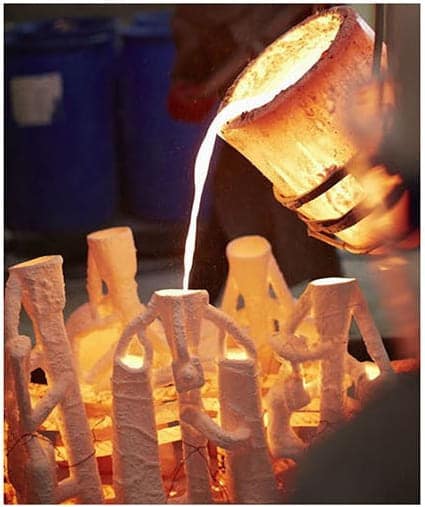
Applications in Market
In numerous markets, irreversible mold and mildew spreading plays a vital duty in producing top quality Aluminum components, specifically where accuracy and durability are vital - Aluminum Foundry. This approach is commonly used in the automobile industry for making engine blocks, transmission real estates, and various other important components that require precise resistances and robust efficiency. Additionally, the aerospace industry take advantage of irreversible mold spreading for parts that have to hold up against severe problems while keeping lightweight qualities. Furthermore, customer goods commonly utilize this method for generating resilient and cosmetically pleasing products, such as kitchenware and attractive components. The capacity to achieve complex geometries and great surface coatings makes long-term mold and mildew casting a recommended choice across diverse applications, ensuring reputable and efficient production in numerous industrial contextsMachining and Finishing Workflow
Accuracy machining and finishing procedures play an essential function in the Aluminum Foundry procedure, making certain that cast elements meet stringent top quality and dimensional requirements. These operations entail different strategies, such as milling, transforming, boring, and grinding, which are used to fine-tune the surface areas of actors components. Each method is selected based upon the particular needs of the component, including its size, form, and intended application.Completing processes, such as anodizing and surface area sprucing up, improve the aesthetic allure and deterioration resistance of Aluminum components. Additionally, these operations help attain tighter tolerances and smoother coatings, which are important for performance in various industrial applications.
Quality Assurance in Aluminum Foundries
Quality control in Aluminum shops is a critical part that guarantees the stability and efficiency of actors items. This procedure involves methodical evaluations and screening at various phases of production. Shops execute extensive top quality checks, consisting of visual examinations, dimensional measurements, and product analysis, to identify that every actors meets defined standards.Furthermore, progressed methods such as non-destructive testing (NDT) are employed to spot inner defects that might not be noticeable externally. By monitoring variables like temperature and alloy make-up, factories can keep perfect production problems, minimizing the possibility of flaws.
Furthermore, adherence to market criteria, such as ISO qualifications, strengthens a factory's commitment to quality. Continuous training and advancement of personnel likewise play a crucial function in promoting a society of high quality understanding. Inevitably, reliable quality assurance practices enhance client contentment and minimize costly rework and scrap, guaranteeing the Foundry's competitive edge out there.
Often Asked Questions

What Security Procedures Are Needed in An Aluminum Foundry?
Precaution in An Aluminum Foundry consist of proper personal safety equipment, air flow systems to manage fumes, fire avoidance protocols, regular devices upkeep, staff member training on dangers, and emergency action intends to resolve potential accidents properly.Exactly How Does Recycling Aluminum Affect Foundry Processes?
Recycling Aluminum substantially impacts Foundry processes by minimizing resources costs, lessening waste, and lowering power intake. This green method boosts production performance while advertising sustainability, eventually benefiting both the environment and the Aluminum market.What Are the Environmental Effects of Aluminum Foundries?
The environmental effects of Aluminum factories include air and water air pollution, high power usage, and substantial greenhouse gas emissions. These elements contribute to habitat damage and wellness threats for bordering areas, necessitating improved sustainability practices.How Do Foundries Take Care Of Waste and Emissions?
Factories manage waste and emissions via numerous approaches, consisting of reusing scrap metal, applying filtering systems, and adhering to environmental regulations. These procedures aim to decrease ecological impact while keeping functional efficiency and productivity.What Is the Function of Automation in Aluminum Foundries?
Automation in Aluminum foundries improves efficiency and accuracy. It reduces human mistake, optimizes production procedures, and decreases labor expenses. By integrating innovative modern technology, foundries can improve item quality and assurance regular functional efficiency.Aluminum Foundry processes incorporate a series of specialized methods intended at changing raw Aluminum right into usable elements. These procedures normally start with thawing the Aluminum, where key or scrap Aluminum is heated until it gets to a molten state. The hot chamber procedure is an extremely effective die casting approach generally used for Aluminum alloys. Cold chamber pass away casting stands for an alternate approach for generating Aluminum components, specifically when dealing with steels that have higher melting points or when the molten steel is also responsive for hot chamber processes. Aluminum Foundry. Aluminum Foundry processes include various methods, one of which is long-term mold and mildew spreading
Report this wiki page